

A well-maintained garden and landscape can transform your outdoor space into a personal oasis, adding beauty, tranquility, and even value to your home. Whether you’re an experienced gardener or just getting started, there are several tips and techniques you can use to create a vibrant and thriving yard. From selecting the right plants to maintaining your garden throughout the seasons, here’s your guide to effective gardening and landscaping.
1. Start with a Plan
- Why It Matters: Planning your garden and landscape design before you start planting ensures that your yard is both functional and visually appealing. A good plan helps you make the most of your space, choose the right plants, and avoid costly mistakes.
- What to Do: Sketch a rough layout of your yard, including existing features like trees, pathways, and structures. Decide where you want flower beds, vegetable gardens, and focal points like a fountain or seating area. Consider the sun exposure, soil type, and water availability in each area, as these factors will influence plant selection.
2. Choose the Right Plants for Your Climate
- Why It Matters: Selecting plants that are well-suited to your local climate and soil conditions will ensure they thrive with minimal maintenance. Native plants, in particular, are adapted to the local environment and are more resistant to pests and diseases.
- What to Do: Research the USDA Plant Hardiness Zone for your area to determine which plants are most likely to thrive. Choose native plants or other species that are drought-tolerant and require less water. Group plants with similar water and sunlight needs together to make care easier.
3. Soil Preparation is Key
- Why It Matters: Healthy soil is the foundation of a successful garden. Proper soil preparation improves plant growth, increases water retention, and reduces the need for fertilizers and pesticides.
- What to Do: Test your soil’s pH and nutrient levels using a soil testing kit. Amend the soil with compost, organic matter, or other soil conditioners to improve its structure and fertility. For specific plant types, such as acid-loving plants like azaleas, adjust the soil pH accordingly.
4. Mulch for Healthier Plants
- Why It Matters: Mulching helps conserve moisture, suppress weeds, and regulate soil temperature, all of which contribute to healthier plants and a more attractive garden.
- What to Do: Apply a 2-3 inch layer of organic mulch, such as wood chips, bark, or straw, around plants and garden beds. Be sure to leave a small gap around the base of each plant to prevent rot. Replenish mulch annually to maintain its effectiveness.
5. Incorporate a Variety of Plants
- Why It Matters: A diverse garden with a mix of flowers, shrubs, trees, and ground cover not only looks more interesting but also promotes a healthier ecosystem. Biodiversity helps attract beneficial insects and birds, which can naturally control pests.
- What to Do: Choose a mix of annuals and perennials to ensure your garden has color and interest throughout the year. Incorporate plants of varying heights, textures, and colors to create depth and visual appeal. Consider adding pollinator-friendly plants like lavender, bee balm, and coneflowers to support local wildlife.
6. Water Wisely
- Why It Matters: Efficient watering practices can help you conserve water, reduce costs, and keep your plants healthy. Overwatering can lead to root rot and other plant diseases, while underwatering can stress plants and reduce growth.
- What to Do: Water your garden early in the morning or late in the evening to minimize evaporation. Use drip irrigation systems or soaker hoses to deliver water directly to the roots, where it’s needed most. Group plants with similar water needs together and avoid watering on windy days to prevent waste.
7. Prune Regularly
- Why It Matters: Regular pruning helps maintain the shape and health of your plants, encourages new growth, and prevents disease. It also keeps your garden looking neat and tidy.
- What to Do: Prune dead or diseased branches as soon as you notice them. For flowering shrubs, prune after they bloom to promote healthy growth. Use sharp, clean tools to make clean cuts, and avoid pruning during extreme weather conditions to prevent stress on the plants.
8. Use Companion Planting
- Why It Matters: Companion planting involves growing certain plants together to enhance growth, deter pests, and improve flavor. This technique can reduce the need for chemical fertilizers and pesticides.
- What to Do: Pair plants that benefit each other, such as tomatoes with basil (which repels pests) or marigolds with cucumbers (which deter beetles). Avoid planting incompatible plants together, like onions and beans, as they can stunt each other’s growth.
9. Create Year-Round Interest
- Why It Matters: A well-designed landscape should be attractive throughout all seasons, not just in the spring and summer. Incorporating plants and features that provide color and texture year-round will keep your garden vibrant even in the colder months.
- What to Do: Include evergreens, ornamental grasses, and winter-blooming plants like hellebores to maintain visual interest in the winter. Add hardscape elements like stone pathways, garden art, and water features to enhance the landscape when plants are dormant.
10. Compost and Recycle Yard Waste
- Why It Matters: Composting yard waste and kitchen scraps reduces landfill waste and provides nutrient-rich organic matter to improve your soil. Recycling plant materials also helps create a sustainable garden.
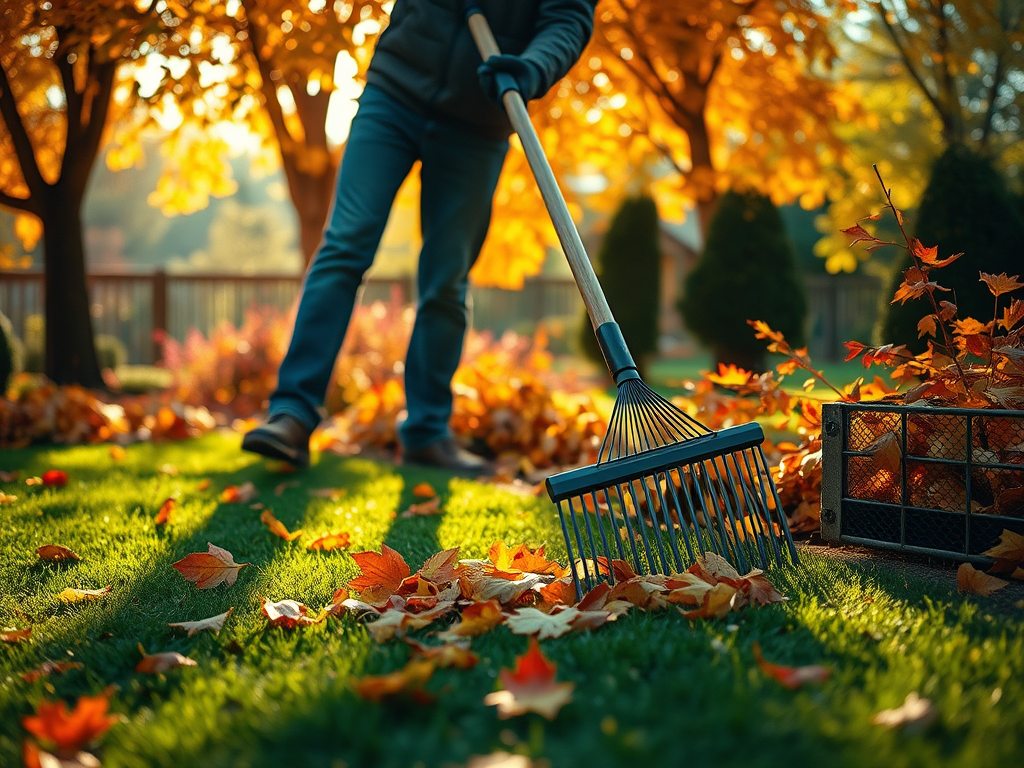
- What to Do: Set up a compost bin in a shaded area of your yard. Add a mix of green materials (like vegetable scraps and grass clippings) and brown materials (like leaves and twigs) to your compost pile. Turn the pile regularly to speed up decomposition. Use the finished compost to enrich your soil and mulch your garden beds.
11. Incorporate Sustainable Practices
- Why It Matters: Sustainable gardening practices help protect the environment, conserve resources, and create a healthier ecosystem in your yard.
- What to Do: Collect rainwater in barrels to water your plants. Use organic fertilizers and pest control methods to reduce chemical use. Choose drought-tolerant and native plants to minimize water usage. Consider planting a rain garden to absorb runoff and prevent soil erosion.
12. Regular Maintenance
- Why It Matters: Regular maintenance is essential to keeping your garden and landscape in top condition. Consistent care prevents problems from developing and keeps your outdoor space looking its best.
- What to Do: Set aside time each week to weed, water, and prune your garden. Check plants regularly for signs of pests or disease and address issues promptly. Fertilize as needed to support healthy growth, and refresh mulch and compost annually to maintain soil quality.
Conclusion
Creating and maintaining a beautiful garden and landscape doesn’t have to be overwhelming. By starting with a solid plan, choosing the right plants, and practicing sustainable gardening techniques, you can enjoy a thriving outdoor space that enhances your home’s beauty and value. Whether you’re growing flowers, vegetables, or simply creating a relaxing retreat, these tips will help you achieve a garden that you can be proud of all year round.



 The Modern Kentucky realtor
Leave a comment