
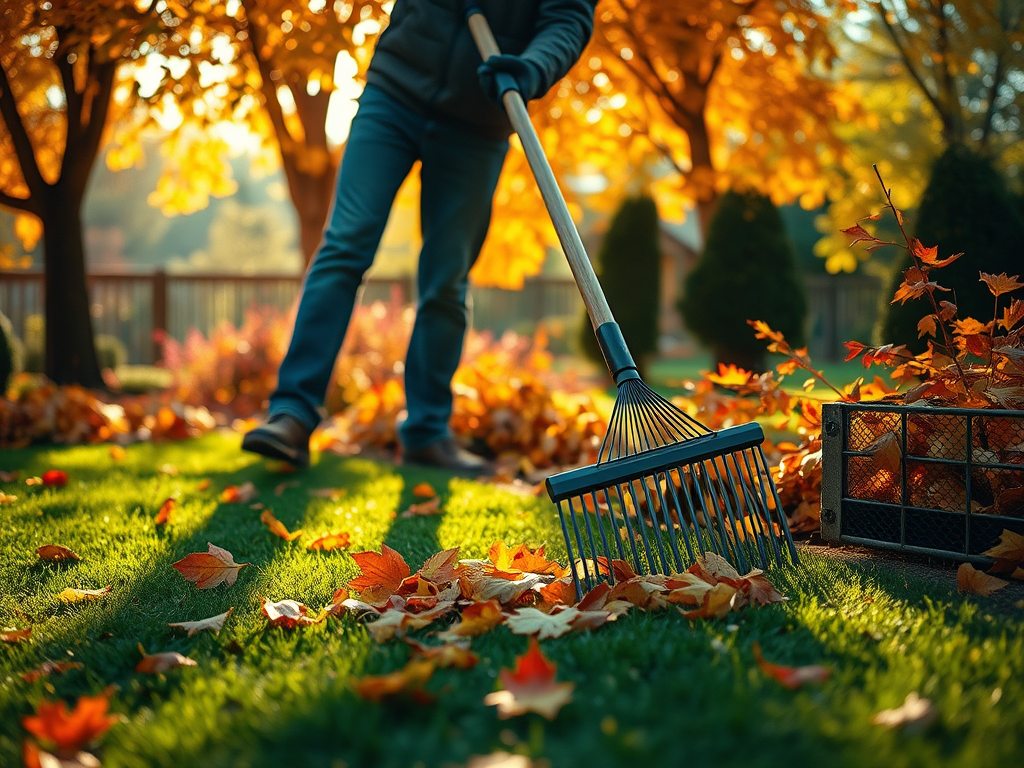
As the air gets cooler and the leaves start to fall, it’s time to tackle your annual fall cleanup! Proper fall maintenance sets your yard up for success in the spring and helps protect your plants and lawn through the harsh winter months. Whether you’re a seasoned gardener or a new homeowner, here’s a comprehensive guide to making your fall cleanup efficient and beneficial.
1. Rake and Remove Leaves
One of the most iconic tasks of fall is leaf removal. While leaves can provide natural mulch if left on your lawn, too many can suffocate the grass and lead to mold growth. A thick layer of wet leaves can create the perfect environment for diseases to develop in your lawn, so be sure to rake them up regularly.
Pro Tip: Instead of tossing the leaves, use them as mulch for your garden beds or add them to your compost pile. This way, you’re returning nutrients to your soil for future use.
2. Clean Out Flower Beds
Your garden beds need attention during fall too. Clear out dead annuals and cut back perennials to prevent diseases from spreading over the winter. Plants like hostas, peonies, and daylilies should be cut back once they have died off.
Pro Tip: Leave some ornamental grasses and plants like coneflowers and black-eyed Susans. Their seed heads provide food for birds and add visual interest to your yard in the winter.
3. Prune Trees and Shrubs
Fall is the perfect time to prune your trees and shrubs. Remove any dead or diseased branches to prevent them from falling and causing damage during winter storms. Be careful not to over-prune, as cutting too much can stimulate new growth that won’t survive the cold.
Pro Tip: For most trees, pruning is best done in late fall or winter when they are dormant. Make sure to research the specific needs of your plants before pruning.
4. Aerate and Fertilize Your Lawn
Your lawn may look like it’s slowing down in the fall, but the roots are still growing and storing energy for the spring. Aerating your lawn helps break up compacted soil, allowing water, nutrients, and oxygen to reach the roots more efficiently.
After aerating, apply a fall fertilizer to help strengthen the roots and prepare the grass for winter dormancy. A slow-release fertilizer will provide nutrients throughout the winter and give your lawn a head start when temperatures warm up.
5. Plant Fall Bulbs
Fall is the best time to plant spring-blooming bulbs like tulips, daffodils, and crocuses. Plant them before the ground freezes, so they have time to establish roots during the winter months. These bulbs will reward you with vibrant colors after the snow melts.
Pro Tip: Plant bulbs in groups for a more natural look, and make sure they’re placed in well-drained soil to prevent rotting.
6. Mulch Garden Beds
Applying a fresh layer of mulch to your garden beds helps insulate the soil, keeping roots warmer throughout the winter. Mulch also prevents weeds from sprouting and retains moisture, which is important for your plants’ health during cold weather.
Pro Tip: Use organic mulch like wood chips or shredded leaves to slowly break down over time and nourish the soil.
7. Clean and Store Garden Tools
Once your yard is prepped for winter, don’t forget to give your tools some attention! Clean off any dirt or debris, and sharpen the blades of your pruners and shears. Store your tools in a dry, sheltered location to prevent rust and wear over the winter.
Pro Tip: Wipe metal parts with a light coat of oil to prevent rusting, and hang tools off the ground to avoid moisture damage.
8. Prepare Outdoor Furniture and Decor
Before winter hits, clean and store your outdoor furniture to protect it from snow and ice. If you don’t have space to store them inside, use weatherproof covers. Bring in any garden decorations or fragile planters that could crack in the cold.
9. Winterize Water Features and Irrigation Systems
If you have any water features like fountains or ponds, now is the time to drain and cover them. Irrigation systems should be blown out to prevent freezing and bursting during the winter.
Pro Tip: Use a water feature cover to keep debris out and avoid having to clean it again in the spring.
Final Thoughts
A thorough fall cleanup ensures your yard is ready for winter and sets the stage for a beautiful, healthy landscape in the spring. Not only will you be protecting your lawn, plants, and tools, but you’ll also make the transition into the next growing season much smoother. Plus, there’s nothing quite as satisfying as stepping back and admiring your well-maintained outdoor space!
Happy fall cleaning!



 The Modern Kentucky realtor
Leave a comment