
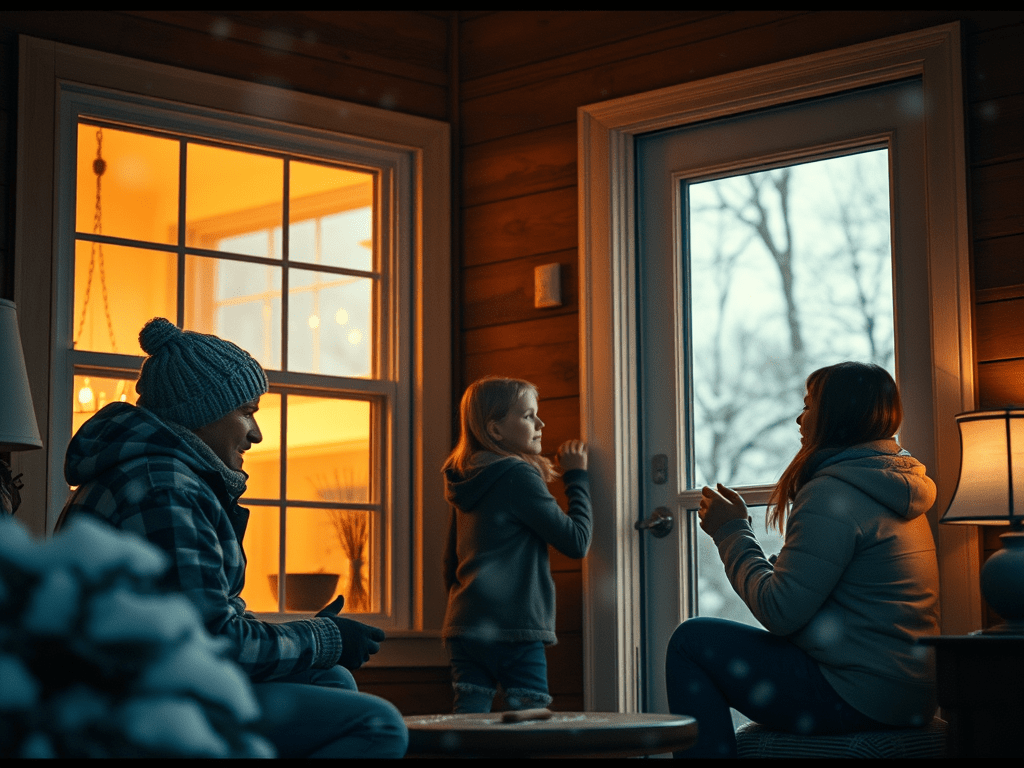
Winter in Kentucky can bring cold temperatures, icy conditions, and the occasional snowstorm. Preparing your home for winter, or “winterizing,” is essential to protect it from potential damage and to ensure your family stays warm and safe. Here’s a step-by-step guide on how to winterize your home in Kentucky.
1. Seal Windows and Doors
One of the most common ways cold air enters your home is through gaps around windows and doors. Kentucky’s winter winds can exploit even small cracks, leading to drafts and higher heating bills.
- Inspect for drafts: Feel for any cool air around your windows and doors.
- Apply weather stripping: Use self-adhesive foam or rubber strips along the edges of doors and windows to seal gaps.
- Use caulk: Seal any cracks around the window frames with caulk to prevent air leaks.
- Install door sweeps: Adding sweeps to the bottom of exterior doors helps block drafts.
2. Check and Clean Gutters
Kentucky’s fall season often leaves gutters clogged with leaves and debris, which can lead to ice dams and roof damage when winter arrives.
- Clean your gutters: Remove leaves, twigs, and other debris.
- Install gutter guards: These can help prevent future clogs and make gutter cleaning easier.
- Ensure proper drainage: Make sure downspouts are directing water at least 3–4 feet away from the foundation.
3. Insulate Pipes
Freezing temperatures can cause pipes to burst, leading to expensive repairs and water damage.
- Wrap exposed pipes: Use foam pipe insulation around any exposed pipes in unheated areas such as basements, crawl spaces, and garages.
- Disconnect hoses: Drain and store any garden hoses and shut off outdoor faucets to prevent freezing.
- Consider heat tape: For particularly cold spots, heat tape can help keep pipes from freezing.
4. Service Your Heating System
Your heating system is critical to maintaining comfort during a Kentucky winter. Regular maintenance ensures it’s working efficiently.
- Schedule a professional HVAC inspection: A technician can check for issues and clean your furnace to ensure it’s running efficiently.
- Change air filters: Replace filters regularly to keep airflow strong and clean.
- Test your thermostat: Ensure your thermostat is working properly, and consider upgrading to a programmable model to save on energy costs.
5. Inspect Your Roof
Heavy snow and ice can put stress on your roof. Prevent leaks and damage by ensuring your roof is in good shape.
- Check for loose shingles: Secure any that are damaged or missing.
- Examine flashing around chimneys and vents: Ensure these areas are properly sealed to prevent water leaks.
- Install a roof rake: If heavy snow is in the forecast, a roof rake can help you safely remove snow accumulation.
6. Protect Your Plumbing
Beyond insulating pipes, there are a few more steps you can take to avoid costly plumbing issues.
- Drip faucets: During extreme cold, allowing faucets to drip slightly can keep water moving, which helps prevent freezing.
- Shut off water to unheated areas: If you have water lines running to unused parts of the house, shut them off and drain the pipes for the winter.
7. Add Insulation
If your home lacks sufficient insulation, winterizing is the perfect time to upgrade.
- Check your attic insulation: Add more insulation if the existing material is below the joist level.
- Insulate your water heater: A water heater blanket can help reduce energy costs by keeping heat in.
- Insulate the basement: If your basement is uninsulated, consider adding foam or fiberglass insulation to keep cold air from creeping into your living spaces.
8. Prepare for Winter Storms
Kentucky occasionally experiences winter storms that can lead to power outages. Being prepared is key to keeping your household safe.
- Stock up on supplies: Make sure you have flashlights, batteries, blankets, bottled water, and non-perishable food in case of emergencies.
- Test your generator: If you have a generator, ensure it’s working properly and that you have enough fuel.
- Check carbon monoxide detectors: Since many rely on gas or oil for heating, it’s crucial to have working carbon monoxide detectors to prevent any risks from furnace malfunctions.
9. Protect Outdoor Areas
Kentucky winters can be tough on decks, patios, and other outdoor features.
- Store outdoor furniture: Put away any outdoor furniture, grills, and other equipment.
- Cover delicate plants: If you have any plants that are sensitive to cold, cover them or bring them indoors if possible.
- Maintain walkways and driveways: Make sure you have ice melt or sand on hand to reduce slips and falls.
10. Check Your Fireplace
If you have a wood-burning fireplace, proper maintenance is essential to prevent dangerous chimney fires.
- Clean your chimney: Have your chimney professionally cleaned before winter to remove creosote buildup.
- Stock up on firewood: Make sure you have dry, seasoned wood ready for use.
- Inspect the damper: Ensure the damper closes tightly when not in use to prevent drafts.
Conclusion
Winterizing your home in Kentucky is all about preparation. By following these steps, you can keep your home warm, safe, and energy-efficient throughout the colder months. Taking a little time in the fall to address potential issues will not only save you money on heating bills but also protect your home from costly winter damage. Stay warm and safe this season!


 The Modern Kentucky realtor
Leave a comment