
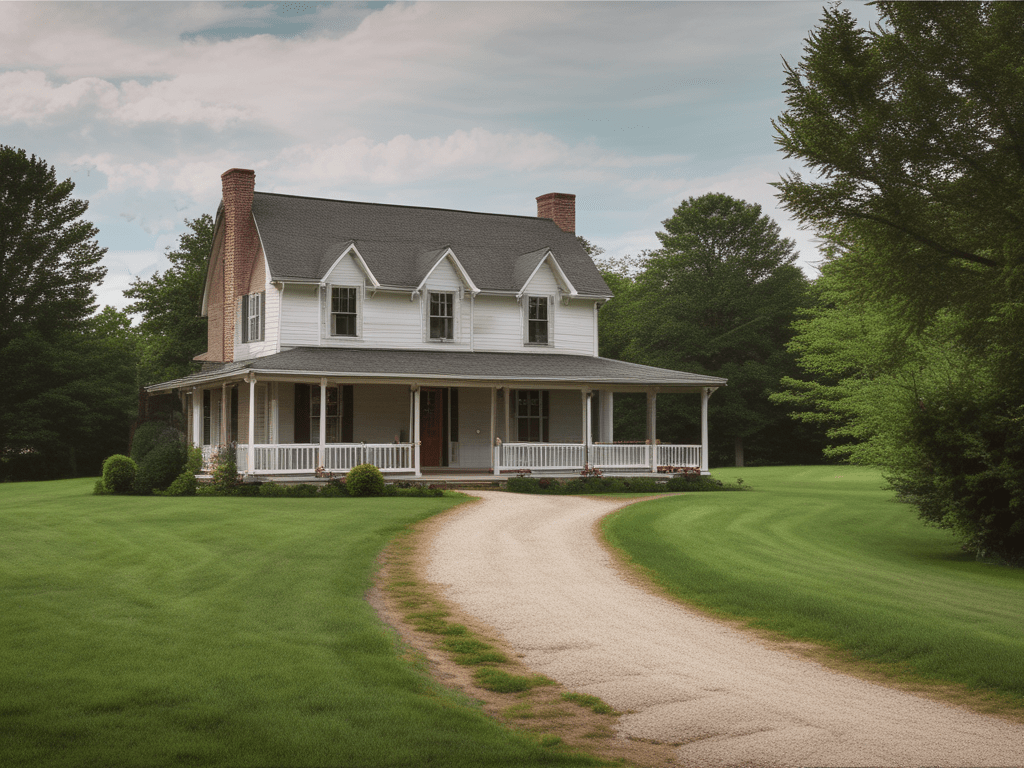
As urban centers continue to grow, a subtle yet impact trend is emerging: the resurgence of interest in rural living. In Kentucky, the allure of wide-open spaces, lower costs of living, and a return to simpler times is drawing people back to the countryside. This blog post delves into a marketing case study that explores how targeted strategies can successfully promote homes in Kentucky’s rural areas, driving both awareness and sales.
Understanding the Market: Kentucky’s Rural Appeal
Kentucky’s rural regions are a treasure trove of natural beauty, cultural richness, and affordability. However, selling homes in these areas presents unique challenges. Unlike urban markets, where demand is driven by proximity to jobs and amenities, rural home buyers are often looking for a different lifestyle—one that offers peace, space, and a strong sense of community.
To tap into this market, understanding the motivations and preferences of potential buyers is crucial. Our case study focuses on two primary demographics: retirees seeking a quiet retreat and remote workers looking for a change of pace without sacrificing connectivity.
The Strategy: Tailoring the Message to the Audience
Our marketing approach was built on the premise that rural living in Kentucky offers a unique value proposition: the chance to own a piece of tranquility without breaking the bank. We crafted a message that resonated with our target audiences, emphasizing the benefits of rural life such as:
- Affordability: Lower home prices and property taxes compared to urban areas.
- Space and Privacy: Larger plots of land and fewer neighbors.
- Community: Tight-knit communities where neighbors know each other and help out.
- Natural Beauty: Proximity to parks, forests, and lakes for outdoor activities.
Channels of Influence: Where We Met Our Audience
Understanding where and how to reach our target audience was key to the campaign’s success. We leveraged a multi-channel marketing strategy that included:
- Digital Marketing:
- Social Media Campaigns: We utilized platforms like Facebook and Instagram to showcase the beauty and serenity of rural Kentucky through eye-catching visuals and engaging content.
- Google Ads: Targeted ads were used to reach individuals searching for homes or a rural lifestyle in Kentucky.
- Email Newsletters: Personalized email campaigns highlighted available properties, success stories, and tips for moving to a rural area.
- Content Marketing:
- Blog Posts and Articles: We created content that addressed common questions and concerns about rural living, such as internet connectivity, access to healthcare, and the transition from urban to rural life.
- Video Tours and Testimonials: Video content was crucial in giving potential buyers a virtual experience of what living in rural Kentucky could be like. Testimonials from current residents added authenticity and trust.
- Traditional Marketing:
- Print Ads: Local newspapers and magazines were used to reach an older demographic less active online.
- Community Events: Sponsorships and participation in local events helped build relationships and trust within rural communities.
The Results: Measuring Success
The marketing campaign yielded impressive results:
- Increased Inquiries: We saw a 25% increase in inquiries about rural properties within the first three months of the campaign.
- Higher Engagement: Social media engagement rates rose by 30%, indicating strong interest in the content we produced.
- Sales Growth: There was a 20% increase in home sales in targeted rural areas compared to the previous year.
One particularly successful aspect of the campaign was the use of video content. Potential buyers were able to see and feel the lifestyle they could have in Kentucky’s countryside, which significantly boosted their interest and confidence in purchasing a home.
Lessons Learned: What Worked and What’s Next
This case study demonstrates that a well-crafted marketing strategy, tailored to the unique needs and desires of potential buyers, can effectively boost awareness and sales in Kentucky’s rural housing market. Key takeaways include:
- Authenticity Matters: Content that genuinely reflects the rural lifestyle resonates more with potential buyers.
- Multi-Channel Approach: Reaching potential buyers through a mix of digital and traditional channels ensures broader coverage and engagement.
- Visual Storytelling: Videos and images are powerful tools for conveying the beauty and benefits of rural living.
As the trend toward rural living continues, future marketing efforts will focus on expanding digital outreach, deepening community engagement, and refining messaging to further align with the evolving preferences of home buyers.
Kentucky’s rural areas are more than just places to live—they offer a lifestyle that many are increasingly seeking. By understanding the market and leveraging strategic marketing initiatives, we can help more people discover the charm and benefits of rural living in the Bluegrass State.




 The Modern Kentucky realtor
Leave a comment